About Auphonic
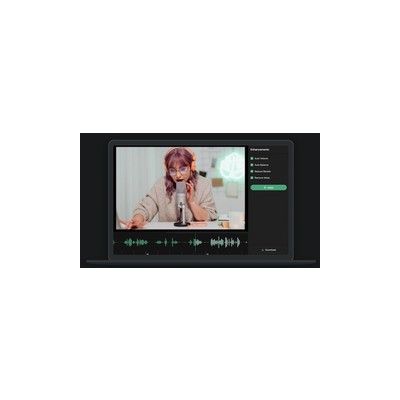
Auphonic is an audio post-production tool that promises to make your audio sound polished without the hassle. In my experience, it’s particularly useful for podcasters and YouTubers who may not have the time or expertise to dive deep into the technical aspects of audio editing. The platform uses advanced algorithms to level audio, normalise volume, and apply noise reduction, which is exactly what you want if you’re looking to ensure your recordings don’t sound like they were made in a tin can. One of the standout features is its ability to automatically adjust the audio levels, which means you can forget about fiddling with sliders for hours. Just upload your audio, and let Auphonic work its magic.
The pricing model is pretty reasonable, especially for beginners or hobbyists. Auphonic offers a free plan that allows for up to 2 hours of processed audio each month, which is a generous starting point. If you find yourself needing more, the paid plans kick off at $11 a month, unlocking additional features and processing time. Given the time it saves, this could easily be a worthwhile investment for anyone serious about improving their audio quality without getting bogged down by the steep learning curve of traditional audio editing software. However, while the pricing is approachable, it’s crucial to note that the features available on the free plan can feel limiting if you’re working on longer or more complex projects.
One of the more fascinating aspects of Auphonic is its encoding options. You can export your audio in various formats, making it easy to tailor your output to whatever platform you’re using, whether that’s for podcasting, video, or broadcasting. This flexibility is a real plus, especially since the audio landscape is so varied these days. However, I did find myself wishing for more control over some of the settings—like the ability to fine-tune noise reduction parameters, which sometimes felt a bit too aggressive for my taste. Overall, Auphonic is a solid choice for those who need a quick fix for their audio woes, but it may not satisfy those who relish tweaking every last detail.
In conclusion, Auphonic caters well to both beginners and those with some experience in audio production. It simplifies the often laborious process of audio editing, making it accessible for everyone. However, those looking for deep customisation will need to look elsewhere. Still, for anyone needing a quick and effective way to polish their audio, Auphonic is worth a shot.
Our Review
Verified 11 May 2026Reviewed by Delv Editorial, Delv Team
I recently took Auphonic for a spin, and I have to say, the convenience factor is high. As someone who has spent countless hours mucking about with audio editing software, the idea of automatic post-production sounded almost too good to be true. And in many ways, Auphonic delivers. The process is straightforward: upload your audio file, select your desired output settings, and let the tool do its thing. I’ve tested it with a range of recordings—from quick voiceovers to full podcast episodes—and I was pleasantly surprised by how well it handled noise reduction and audio levelling.
One of the features that truly impressed me was the automatic levelling. I often find myself struggling with inconsistent audio levels when recording, especially when switching between different speakers. Auphonic took care of that nicely, ensuring that the volume was consistent throughout. It’s particularly beneficial for podcasters who need to juggle multiple speakers without sounding like they’re in a shouting match or whispering contest.
However, it’s not all rainbows and sunshine. While the noise reduction feature is effective, I found it a tad too aggressive at times. Certain recordings ended up sounding a bit ‘robotic,’ as if the tool was trying too hard to eliminate every little sound. I also missed having more control over some settings—like being able to fine-tune how much noise reduction to apply. For someone who’s used to getting into the nitty-gritty of audio editing, this could be a dealbreaker.
When it comes to pricing, Auphonic is quite reasonable. The free tier offers 2 hours of processing each month, which is perfect for those just starting out or those who only have a few projects a month. If you need more, the paid plans start at $11, which is still cheaper than many traditional audio editing tools. However, given that you might need to run multiple passes to achieve the quality you want, you could find that the costs add up if you’re not careful.
In terms of competition, Auphonic sits comfortably among other tools like Descript and Adobe Audition. While Descript is excellent for transcription and has its own editing features, Auphonic is purely focused on audio enhancement without the bells and whistles. Adobe Audition, on the other hand, offers more advanced features but comes with a steeper learning curve. Auphonic is much easier to get started with, making it a good fit for beginners and those who want to get results quickly.
Overall, if you’re a podcaster, YouTuber, or anyone who regularly works with audio and you want to enhance your sound quality without diving deep into audio editing, Auphonic is worth considering. It’s particularly well-suited for those who value ease of use and speed. Just be mindful of the limitations in the free plan and the potential for overly aggressive noise reduction. But if you’re willing to navigate those quirks, Auphonic can be a real asset in your audio toolkit.
Getting started with Auphonic
Auphonic is an automatic audio post-production tool that helps you level audio, reduce noise, and encode your recordings with minimal effort. After this guide, you'll be able to upload your audio files and enhance their quality quickly.
Step 1: Sign up and set up
Step 2: Your first audio production
Step 3: Get better results
Pro tip
Use the Batch Processing feature to upload multiple files at once. This saves time if you have several recordings to edit.
Common mistake to avoid
Avoid skipping the Advanced Settings. Many beginners leave the default options, which might not suit their specific needs, leading to suboptimal audio quality. Always review these settings to ensure they match your requirements.
The Verdict
Auphonic is a solid choice for podcasters and content creators seeking a quick, automated way to improve audio quality without getting bogged down in technical details. It’s perfect for beginners and those who want to save time, but it may frustrate those who prefer detailed control over their audio. If you’re serious about your audio but dread the editing process, give Auphonic a try; just keep an eye on those noise reduction settings.
Best For
- Podcasters who need quick audio enhancements without heavy editing.
- YouTubers seeking a simple way to improve sound quality.
- Content creators working from home dealing with background noise.
- Freelance audio professionals needing efficient processing for multiple projects.
- Educators creating online courses requiring clear audio.
At a Glance
Auphonic automates audio post-production, making it ideal for podcasters and content creators who need quick, professional-quality sound. With features like noise reduction and automatic levelling, it simplifies the editing process while offering a flexible pricing model that caters to both beginners and professionals alike.
Strengths
- +The automatic levelling feature is a real time-saver, ensuring consistent audio volume without the need to manually adjust every file.
- +Noise reduction works surprisingly well, cutting out unwanted background noise which is a godsend for recordings made in less-than-ideal environments.
- +The user-friendly interface means you don’t need a background in audio editing to produce decent-sounding results.
- +The ability to export in various formats allows for easy integration into different platforms, making it versatile for podcasters and video creators alike.
- +The free plan is genuinely useful, offering up to 2 hours of processed audio each month, which is great for anyone just starting out.
- +The pricing structure is affordable, especially considering the time saved in post-production, making it a wise investment for serious content creators.
Limitations
- -The free tier can feel limiting if you’re working on larger projects, as 2 hours of processing may not be enough for regular users.
- -Some features, like noise reduction, can be a bit too aggressive, leading to a slightly unnatural sound if not monitored closely.
- -While the interface is user-friendly, it lacks some advanced options that more experienced users might expect, limiting creative control.
- -The processing time can vary depending on server load, which might be frustrating if you're in a hurry to get your audio out.
- -You may find that you need to run multiple passes on certain recordings to get the quality just right, which can negate some of the time-saving benefits.
Use Cases
- -Podcasters looking to enhance audio quality without the need for extensive editing skills.
- -YouTubers who want to ensure their audio is crisp and professional without investing too much time in post-production.
- -Content creators working from home who struggle with background noise and need a quick fix.
- -Freelance audio professionals who require a fast and efficient way to level and clean up multiple recordings.
- -Teachers or educators creating online courses who need clear audio without the hassle of complex editing software.