About Cleanvoice
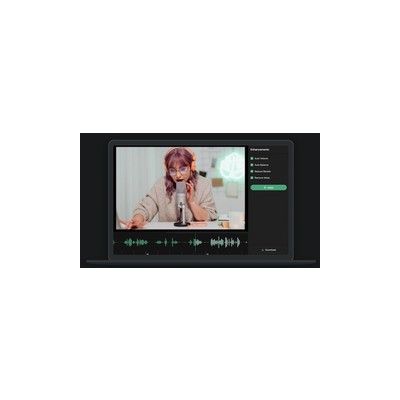
I recently tried out Cleanvoice, an AI audio editing tool designed specifically for podcasters. In practice, it’s all about automating the tedious aspects of audio editing. You know the drill: filler words, awkward pauses, the dreaded mouth sounds that make you want to cringe. Cleanvoice promises to tackle all of these and it does so with impressive efficiency. With its advanced algorithms, the tool scans your audio track, identifies imperfections, and removes them in what feels like a blink of an eye. This means you can spend less time agonising over the nitty-gritty of editing and more time focusing on your actual content, which is a godsend for busy creators.
One of the standout features is its multi-language support, opening the doors for a wider audience. This is particularly useful for podcasters looking to reach non-English speaking markets. The user interface is surprisingly simple to navigate, making it accessible for both seasoned pros and newbies who might find traditional audio editing software rather intimidating. For anyone who has found themselves lost in the labyrinth of audio tracks, Cleanvoice could be a breath of fresh air.
Now, let’s talk about pricing. Cleanvoice operates on a pay-as-you-go model, charging $10 for 10 hours of audio. If you’re a frequent user, the subscription rates are more economical: $25 a month for 30 hours and $80 for 100 hours. While this structure is appealing, it does raise the question of how quickly someone can burn through those hours, particularly if they have a podcast that runs long or simply requires a lot of post-production work. All in all, Cleanvoice is a strong candidate for podcasters looking to enhance their audio quality without the steep learning curve of traditional editing software, but it might not be the best fit for those who are just dabbling in podcasting or have very sporadic needs.
In summary, if you’re a podcaster serious about delivering polished audio, Cleanvoice could be your new best friend. However, if you’re only recording the occasional episode or your budget is tight, you might want to consider whether the investment is worth it for your specific use case.
Our Review
Verified 11 May 2026Reviewed by Delv Editorial, Delv Team
I recently got my hands on Cleanvoice, an AI audio editing tool that's been getting buzz in the podcasting community. As someone who has spent countless hours editing audio, I was curious to see if it really lives up to the hype. Cleanvoice promises to automatically remove filler words, mouth sounds, stuttering, and dead air, which is music to the ears of anyone who’s struggled with the tediousness of audio editing. In my testing, I found that it indeed does a commendable job of automating these processes. The speed at which it processes audio is impressive; what used to take me hours of manual editing can now be done in a matter of minutes. It’s almost like having a personal assistant for your audio.
The user interface is refreshingly straightforward. I was able to upload my audio files without any hassle, and the results were quick. The tool even supports multiple languages, which is a huge plus if you’re aiming to reach a wider audience. I could see this being particularly beneficial for international podcasters. However, while the automation is a definite strength, I did notice that it doesn't catch every single imperfection. A few mouth sounds slipped through the cracks, which meant I had to go back in and do a manual check. For perfectionists like myself, this can be a bit of a nuisance.
When it comes to pricing, I think Cleanvoice offers a decent value proposition, especially with its pay-as-you-go model. At $10 for 10 hours of audio, it’s a reasonable option for occasional users. But if you're producing a lot of content, those hours can vanish quickly. The subscription model at $25 per month for 30 hours is a more economical choice for serious podcasters, but you’ll still want to keep an eye on your usage. In comparison to alternatives like Descript or Adobe Audition, Cleanvoice is definitely more user-friendly but lacks some of the advanced features that seasoned editors might expect.
In conclusion, Cleanvoice is best suited for podcasters who want to enhance their audio quality without the steep learning curve of traditional editing software. If you’re just starting out or only produce the occasional episode, you might find it a bit pricey for your needs. However, for those committed to creating polished and professional-sounding content, Cleanvoice could be a valuable tool in your audio arsenal. Just be prepared to do a little bit of manual tweaking here and there to ensure your audio is truly top-notch.
Getting started with Cleanvoice
In this guide, you'll learn how to quickly clean up your podcast audio by removing filler words, mouth sounds, stuttering, and dead air using Cleanvoice. After following these steps, you'll be able to enhance your audio quality efficiently.
Step 1: Sign up and set up
Step 2: Your first audio edit
Step 3: Get better results
Pro tip
Use the “Preview” feature to listen to a sample of the cleaned audio before downloading. This can save you time by allowing you to make adjustments before finalising the edit.
Common mistake to avoid
Many users forget to check all the options for removal before clicking “Clean Audio.” Ensure you select everything you want to be edited out to maximise the tool's effectiveness.
The Verdict
I recommend Cleanvoice for podcasters who are serious about producing high-quality audio with minimal hassle. It's particularly beneficial for those who create content regularly and want to save time on editing. However, if you're only dabbling in podcasting or have a limited budget, you might want to think twice before committing to it.
Best For
- Podcasters who want to save time on audio editing
- Creators producing regular content looking for professional sound
- Those new to audio editing needing a user-friendly solution
- Multi-lingual podcasters aiming to reach diverse audiences
- Freelancers providing podcast editing services
At a Glance
Cleanvoice is an AI-powered audio editing tool that effortlessly removes filler words, mouth sounds, stuttering, and dead air from podcasts, allowing creators to focus on content rather than technicalities. With flexible pricing and a user-friendly interface, it's perfect for both novice and experienced podcasters seeking to enhance their audio quality quickly.
Strengths
- +The automatic removal of filler words and stutters is a real time-saver, allowing podcasters to focus on content rather than tedious edits.
- +The user-friendly interface means that even those with little to no audio editing experience can navigate it with ease, making it accessible for everyone.
- +Multi-language support expands its usability, allowing podcasters around the world to enhance their audio without language barriers.
- +Flexible pricing options cater to both casual users and heavy hitters, ensuring that you pay for only what you need.
- +The rapid processing capabilities mean you can edit hours of audio in just minutes, freeing up your time for other tasks.
- +The pay-as-you-go model is great for those who might not need a subscription every month, making it a flexible solution.
Limitations
- -The pricing can add up quickly for those who produce longer episodes or have multiple shows, potentially making it less appealing for budget-conscious creators.
- -While it does automate much, it might not catch every nuance in audio, meaning manual checks could still be necessary for perfectionists.
- -The tool lacks some advanced features found in traditional editing software, which might disappoint seasoned audio engineers looking for greater control.
- -There can be occasional glitches in processing where the software doesn’t remove all unwanted sounds, necessitating a second pass.
- -The web-based platform can be limiting for those who prefer to work offline or on different devices without constant internet access.
Use Cases
- -Solo podcasters who want to polish their episodes quickly without diving into complex editing software.
- -Content creators who frequently record interviews and want to maintain a professional sound without the hassle of manual edits.
- -Language learners producing podcasts in their target language, benefiting from the multi-language support to clean up their audio.
- -Podcast teams that need to edit multiple episodes in a short timeframe while ensuring consistency in audio quality.
- -Freelancers who provide podcast editing services and need to speed up their workflow to take on more clients.