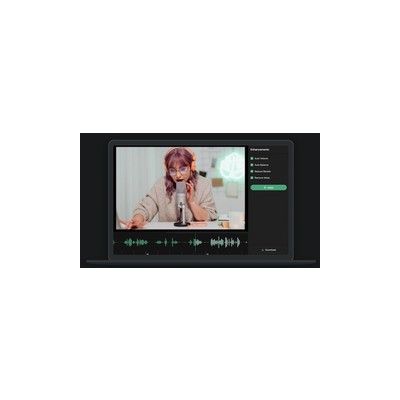
About Stable Audio
Stable Audio, created by Stability AI, is a tool that aims to bring your musical ideas to life by transforming text prompts into full-fledged music tracks and sound effects. It’s not just another AI music generator; it's designed to create coherent compositions lasting up to three minutes, with high-quality audio output at 44.1kHz stereo. The platform is user-friendly, allowing you to input natural language prompts and receive unique audio results tailored to your specifications. Whether you're a seasoned sound designer or a curious amateur, this tool opens up a world of sonic possibilities.
One of the standout features of Stable Audio is its versatility. You can create everything from atmospheric soundscapes for films to catchy jingles for advertising, making it a valuable resource for various creative professionals. The open-source model encourages experimentation, allowing users to tweak and modify generated sounds. This flexibility is a huge draw. However, while the interface is intuitive, I found it could be a bit simplistic at times, which might frustrate users looking for more advanced editing capabilities.
Pricing is where things get a bit murky; while Stable Audio operates on a freemium model, the specifics of the tiers aren't clearly laid out. In my experience, free access is somewhat limited, which might not be ideal for serious users wanting to create high volumes of content. For those dabbling in sound design or music production, the free options might suffice, but anyone serious about their craft may need to look for a paid plan or alternative solutions to truly unleash their creativity. You’re likely to find that you hit a ceiling with the free version relatively quickly.
Overall, Stable Audio is a solid tool for those interested in generating original audio content without needing extensive musical training. However, it might not be the best fit for professional musicians or sound designers who require more control and complex editing capabilities. It serves as a fantastic entry point for beginners or casual users, but seasoned pros might find themselves wanting more depth and flexibility.
Our Review
Verified 11 May 2026Reviewed by Delv Editorial, Delv Team
I recently dived into the world of Stable Audio, a tool that claims to turn text prompts into music tracks and sound effects. As a tech journalist who's dabbled in music production, I was intrigued by the idea of generating coherent audio compositions with just a few words. The premise sounded fantastic: type in what you're envisioning, and voilà! A unique soundscape appears. However, my experience was a mix of excitement and frustration.
To start, the interface is refreshingly simple. I could easily input prompts like ‘upbeat jazz for a summer day’ or ‘mysterious ambient sound for a horror scene’ and get results that were surprisingly coherent. The quality of the audio output, clocking in at 44.1kHz stereo, was impressive enough for most casual uses. I even managed to create a lovely little background track for a video project I was working on. The versatility of the tool is commendable; whether you’re a filmmaker in need of a score or a game developer looking for sound effects, Stable Audio caters to those needs. The open-source model encourages experimentation, allowing users to tweak and explore different auditory avenues.
However, it’s not all sunshine and rainbows. The freemium model left me scratching my head a bit. While it’s free to start, the limitations became apparent quickly, especially if you’re someone who wants to push the boundaries. I couldn’t create longer tracks or access certain features without running into a wall. This might not be a problem for hobbyists, but for anyone serious about sound design, it’s a bit of a letdown. Plus, the interface, while easy to use, felt a bit too basic for anyone with advanced sound editing skills. I found myself wishing for more complex tools to refine the output further.
When comparing Stable Audio to its competitors, I noticed that tools like Soundraw offer more control and extensive libraries, making them better suited for professionals. Amper Music also provides a quicker route for video creators needing tailored compositions. In the end, Stable Audio is perfect for casual users and beginners wanting to experiment with sound and music. If you’re a pro looking for depth, though, you might want to keep searching.
All things considered, I think Stable Audio is a solid introduction to AI-generated music. It’s an exciting tool if you’re looking to have fun and explore sound creation without needing a degree in music theory. Just manage your expectations regarding its limitations and pricing structure, and you might find a useful ally in your creative endeavours.
Getting started with Stable Audio
In this guide, you'll learn how to create music tracks and sound effects using text prompts in Stable Audio. By the end, you'll be able to generate your own audio compositions easily.
Step 1: Sign up and set up
Step 2: Your first audio track
Step 3: Get better results
Pro tip
Try using keywords like "ambient," "cinematic," or "lo-fi" in your prompts to guide the AI towards specific styles, which can save you time in generating tracks that fit your vision.
Common mistake to avoid
Avoid overly vague prompts like "make a song." Instead, provide clear descriptions to help the AI understand what you want, ensuring better output quality.
The Verdict
Stable Audio is a solid choice for casual users and beginners interested in generating music and sound effects from text prompts. However, serious sound designers or musicians may find the limitations frustrating and should consider more robust alternatives. If you’re looking to explore sound creation without breaking the bank, give it a go; just don't expect it to replace a full-fledged DAW anytime soon.
Best For
- Content creators needing quick and easy background music.
- Indie game developers on a budget.
- Hobbyist musicians wanting to experiment with sound.
- Freelance filmmakers looking for unique soundscapes.
- Podcasters wanting custom music without hiring a composer.
At a Glance
Stable Audio is an AI-powered music and sound effect generator that turns your text prompts into high-quality audio tracks. Perfect for creative professionals and casual users alike, it offers a user-friendly interface and encourages experimentation, though serious users may find its limitations frustrating.
Strengths
- +The ability to generate music tracks and sound effects from text prompts is genuinely impressive, allowing users to create unique audio experiences tailored to their needs.
- +High-quality output at 44.1kHz stereo ensures that the audio produced is suitable for professional use, meeting industry standards.
- +The intuitive interface makes it easy for anyone to jump in and start creating, regardless of their musical background or technical skills.
- +The open-source model encourages creativity and experimentation, providing a playground for users to explore their musical ideas without fear of constraints.
- +The tool is versatile enough to cater to various needs, whether you're developing a game soundtrack, enhancing a video project, or just playing around with sound design.
Limitations
- -The freemium model lacks clarity on pricing tiers, which can be frustrating for users looking for a straightforward path to premium features.
- -The interface, while user-friendly, may feel too simplistic for experienced sound designers who expect more advanced editing tools and capabilities.
- -Generating longer tracks can be difficult, as the three-minute limit might not suffice for users needing extended compositions.
- -The sound variations produced can sometimes feel repetitive or limited, especially if you’re looking for highly specific or niche sounds.
- -Export options are somewhat basic, which can be a letdown for users who want to save their work in various formats or qualities.
Use Cases
- -Content creators working on YouTube videos who need to quickly generate background music without the hassle of licensing issues.
- -Indie game developers looking for unique sound effects and music tracks to enhance their game's atmosphere on a budget.
- -Freelance filmmakers needing original soundscapes for short films or documentaries to elevate their storytelling.
- -Podcasters who want to add custom music intros and sound effects to make their shows stand out without hiring a composer.
- -Hobbyist musicians experimenting with new ideas and compositions, allowing them to explore sounds they wouldn't normally create.