About Trint
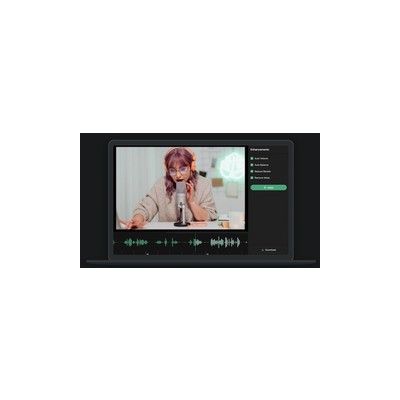
I had the chance to put Trint to the test, and let me tell you, it's a mixed bag. Trint is an AI transcription tool that focuses on serving newsrooms and media organisations, which means it’s built with speed and accuracy in mind. I’ve used various transcription services before, but Trint’s real-time collaboration tools caught my attention. The ability to work on a transcript with my team as we go was refreshing; no more endless emailing back and forth with versions of documents. It even allows you to tag and edit transcripts on the go, which is a nifty touch for fast-paced environments.
One of the standout features is its multilingual capability. I tried transcribing a podcast episode in Spanish and it did a pretty decent job. It’s not perfect, but for the most part, I was impressed with the accuracy. That said, you might want to double-check the output if you’re dealing with nuanced language or technical jargon. The platform is also rich in formatting options, which means you can export transcripts in a way that suits your needs, whether that’s for publishing, sharing, or further editing.
Now, let’s talk about the pricing. Trint isn’t cheap; the plans start at £12.99 per month for basic features, and if you want the full suite, you’re looking at £39.99 monthly. For a small newsroom or a freelancer, that’s a significant investment. I understand that quality transcription comes at a cost, but if you’re only doing one or two transcriptions a month, it might be overkill. However, if you’re in a busy media organisation, the time saved could justify the expense.
In my experience, Trint is not for everyone. If you're an occasional user or someone who only needs transcription for personal projects, you might find more affordable alternatives out there. But for journalists, podcasters, and media teams that constantly churn out content, it could be a worthy addition to your toolkit. Just be prepared to put your money where your mouth is if you decide to go with it.
Our Review
Verified 11 May 2026Reviewed by Delv Editorial, Delv Team
When I first jumped into Trint, I was excited to see what all the fuss was about. Having worked in newsrooms, I know the struggle of juggling multiple transcriptions while trying to keep deadlines in check. Trint promises to ease that burden with its AI-driven transcription service, and for the most part, it delivers. I found the real-time collaboration a breath of fresh air; instead of sending files back and forth, my team and I could edit together in the platform, making the process more streamlined. This alone could save hours in an industry where every minute counts.
The multilingual capabilities are also noteworthy. I tested it out on a foreign-language podcast and was pleasantly surprised by how well it handled the transcription. Sure, it missed a few nuances here and there, but that’s to be expected with automated services. For quick and reasonably accurate transcriptions, especially in English, Trint is a solid option.
However, let’s not sugarcoat everything. The pricing is steep; starting at £12.99 per month, it’s not the most budget-friendly choice for freelancers or small teams. If you’re only looking to transcribe a couple of interviews a month, you might want to explore more affordable options. Plus, the mobile app left me wanting—it’s not as feature-rich as the desktop version, making it less handy for users on the move.
Compared to competitors like Otter.ai, which has a free tier and is great for less frequent users, Trint feels like it’s designed for serious professionals who can justify the cost. If you’re in the media business and need a reliable tool that can handle multiple languages and collaborate in real-time, Trint is worth considering. Just be ready to shell out for it.
In conclusion, Trint shines in collaborative environments and offers decent transcription accuracy, but it’s not for the casual user or those on a tight budget. If you’re a journalist or content creator consistently producing material, give it a whirl. Just make sure you evaluate your needs first and don’t dive in without considering your budget.
Getting started with Trint
With Trint, you'll be able to transcribe audio and video quickly and collaborate with your team in real-time. This guide will help you set up your account and get your first transcription completed in just a few minutes.
Step 1: Sign up and set up
Step 2: Your first transcription
Step 3: Get better results
Pro tip
Use keyboard shortcuts to speed up your editing process. For instance, use Ctrl + Z to undo changes and Ctrl + S to save your work quickly.
Common mistake to avoid
Don’t forget to select the correct language before transcribing. If you choose the wrong language, the transcription accuracy will suffer, leading to more errors that you'll need to correct later.
The Verdict
If you’re a media professional who needs accurate and fast transcription with collaboration features, Trint is a solid investment. However, casual users or those on a tight budget should think twice before committing. It’s perfect for busy newsrooms but might be overkill for freelancers and occasional users.
Best For
- Newsrooms that require quick and accurate transcriptions for daily reporting.
- Podcasters looking for a reliable way to generate transcripts for accessibility.
- Freelance journalists needing collaboration features for team projects.
- Content creators working on multilingual projects.
- Media organisations that produce a high volume of audio and video content.
At a Glance
Trint is a transcription platform tailored for newsrooms, offering real-time collaboration and multilingual capabilities. It excels in delivering quick and reasonably accurate transcripts, making it a solid choice for media professionals needing seamless teamwork. However, its pricing may deter casual users.
Strengths
- +Real-time collaboration is a game-changer for teams, allowing multiple users to edit and comment on transcripts simultaneously, which saves a lot of back-and-forth communication.
- +The multilingual transcription capability is impressive, making it suitable for global media organisations and diverse content needs.
- +Formatting and tagging options are user-friendly, enabling quick adjustments and streamlined exports that fit various publishing formats.
- +The interface is intuitive and easy to navigate, which means you can start transcribing without a steep learning curve.
- +Transcription accuracy is generally high, especially with clear audio; I found it to be more reliable than some competitors in many scenarios.
- +Integration with other tools and platforms allows for seamless content management, which is essential in fast-paced news environments.
Limitations
- -The pricing structure is a bit steep, especially for freelancers or smaller teams that might only need transcription occasionally; it can feel like overkill for light users.
- -While the multilingual feature is a strength, it sometimes struggles with dialects or technical language, which could lead to inaccuracies in those contexts.
- -The mobile experience is lacking; it feels like an afterthought compared to the desktop version, limiting on-the-go transcription capabilities.
- -There’s no free tier available, meaning you have to commit financially before you know if it meets your needs.
- -Customer support response times can be slow, which is frustrating if you encounter issues while racing against deadlines.
Use Cases
- -Newsrooms needing to quickly transcribe interviews and discussions for timely reporting.
- -Podcasters who require accurate transcripts for show notes and accessibility purposes.
- -Documentary makers looking to transcribe lengthy interviews and research material efficiently.
- -Freelance journalists needing to collaborate with editors in real-time on transcriptions.
- -Content creators managing multilingual projects that require transcription in various languages.